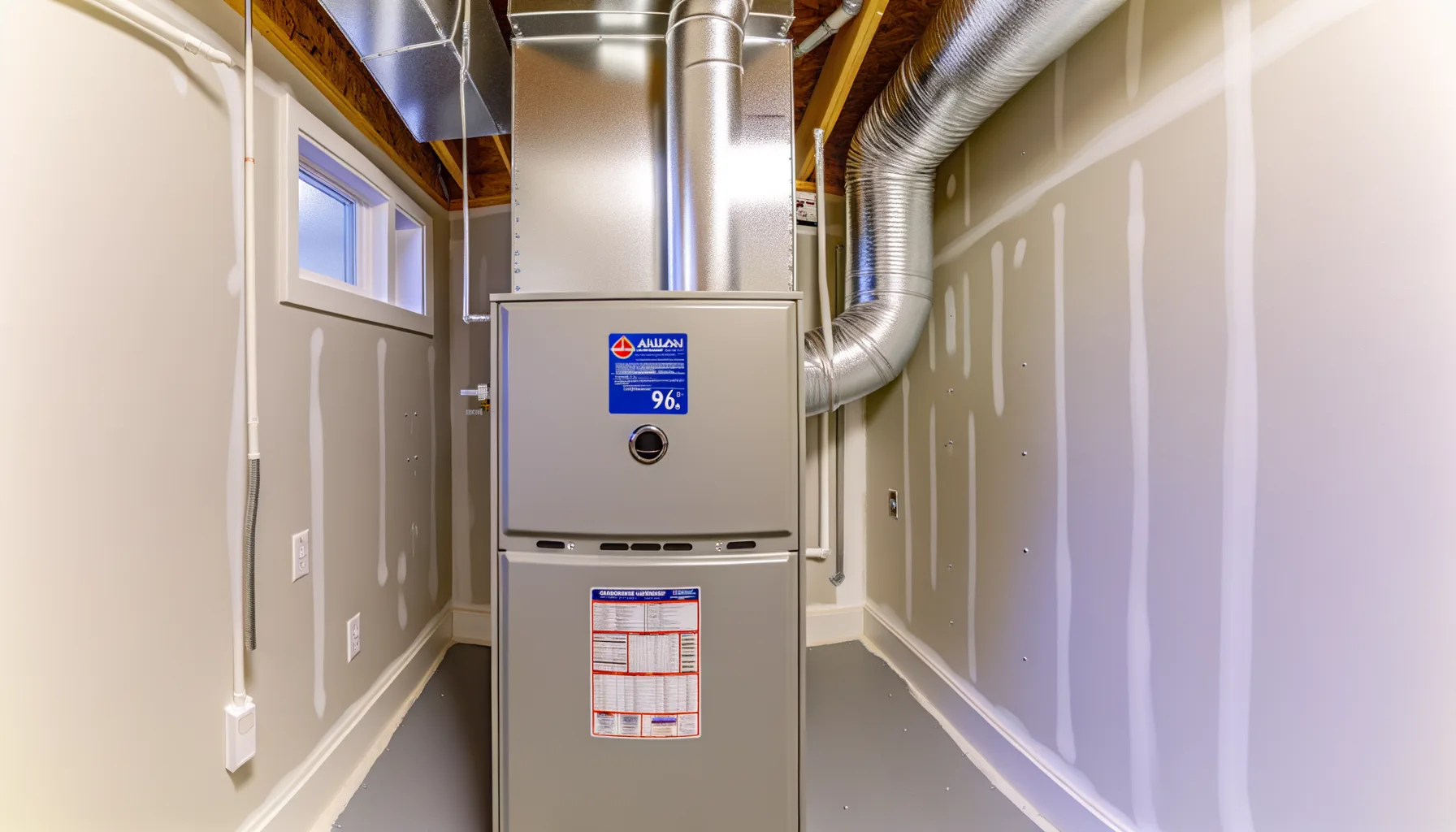
The Role of Return Air Vents in Your Denver HVAC System
Published: 2026-04-28 · By FrostFusion Heating and Cooling
In the heart of Denver, where rapid weather changes can make your home feel like a refrigerator one moment and a furnace the next, ensuring your HVAC system is operating efficiently is crucial. One often overlooked element of your heating and cooling setup is the return air vent. This component plays a significant role in maintaining indoor air quality, energy efficiency, and overall comfort. As winter's chill gives way to spring's thaw, understanding how these vents function can help you navigate Denver's climate challenges.
Why This Matters for Denver Homeowners
Return air vents are essential for the proper functioning of any HVAC system, particularly in Denver, where homes face unique challenges due to our climate and terrain. When HVAC systems don’t have enough return air, they can struggle to operate efficiently, leading to increased energy costs and uneven heating or cooling throughout your home. In Denver, where energy bills can skyrocket during peak heating seasons, every detail matters.
The rapid freeze-thaw cycles that occur in spring can also create conditions that tax your HVAC system. If your return vents are blocked or not adequately installed, the negative pressure might cause additional strain. This discomfort can be exacerbated by our soil composition in Denver, which can shift due to moisture from melting snow.
Ignoring airflow issues can lead to significant expenses down the line, particularly during hail storms or heavy snowmelt periods. Properly functioning return vents can mitigate these costs by ensuring your HVAC system works as intended.
Expert Solutions & Actionable Tips
1. Regular Inspection of Return Vents
Inspecting your return air vents at least twice a year is crucial. Make it a part of your fall and spring maintenance routine to ensure there’s no debris or obstruction affecting airflow. Simple checks can save you from larger repairs; typically, professional services like FrostFusion might charge between $75-$150 depending on the extent of the inspection.
Cleaning out visible dust can also boost system performance and is something homeowners can primarily do themselves, taking about an hour for all vents in a typical home.
2. Ensure Return Vent Placement is Optimal
Understanding the dynamics of your home's layout is essential for return air vent effectiveness. Return vents should ideally be placed in high-traffic areas and opposite the supply vents to create a balanced flow of air. This ensures adequate circulation throughout your space, particularly in two-story homes.
Repositioning vents can be cost-effective, with alterations often ranging from $200 to $400, depending on the complexity and required ductwork adjustments in Denver's unique home structures.
3. Assess Ductwork for Leaks
Leaky ducts can significantly impact the efficiency of your HVAC system. If you notice an inconsistent temperature in different rooms, test for leaks. A simple method involves using a smoke pencil near seams and joints. If you see smoke pulled away, you likely have leaks.
Sealing ductwork can cost between $300 and $500, but this investment often pays off with reduced energy costs over time as your HVAC system works more efficiently.
4. Utilize Smart Thermostat Features
Smart thermostats can monitor airflow and adjust your system dynamically. Many modern smart thermostats offer features that can alert you if airflow in return vents is inadequate. Installing one can cost around $200 to $500, plus installation fees if you hire a pro.
They are beneficial during Denver's weather swings, allowing for precise control of heating and cooling demands.
5. Consider Professional Assessments
If you're unsure about your return vent’s functionality, consider hiring FrostFusion for a comprehensive evaluation. Professionals can identify underlying issues that you may miss. Expect to pay around $100 to $200 for a full HVAC assessment, particularly if you’re dealing with age-old systems in many Denver homes.
Scheduled maintenance can not only extend the lifespan of your HVAC system but also ensure better air quality and energy efficiency.
6. Heat Recovery Ventilators (HRVs)
Implementing HRVs can improve your home's indoor air quality without compromising efficiency. These systems exchange stale indoor air with fresh outdoor air while recovering energy from the outgoing air. The cost for installation typically ranges from $1,000 to $2,500, making it a significant but worthwhile investment to combat Denver's heavy pollen seasons and wildfire smoke.
Furthermore, HRVs can enhance your comfort by ensuring balanced air pressure, which is crucial in the varied architecture found throughout Denver.
Denver Climate & Local Context
Denver's climate presents unique challenges for HVAC systems. The city experiences significant temperature swings—one day may boast highs in the 70s while the next plunges well below freezing. This variability exacerbates wear and tear on your HVAC system, especially during the transition seasons. Homes constructed on expansive clay soils often face additional risks like foundational shifts, making proper drainage—especially during heavy snowmelt in spring—critical.
Local building codes in Denver also require specific permits and regulations when upgrading or modifying HVAC systems. Homeowners must be aware of these local codes to ensure compliance, ultimately affecting the efficiency and performance of their heating and cooling setups.
When to Call a Professional
While many homeowners may feel confident in handling simple HVAC tasks, knowing when to call in experts is vital. Troubleshooting issues related to return air vents might seem straightforward, but hidden complications may arise, particularly in Denver's complex housing stock. You can opt for DIY fixes for minor maintenance tasks, such as cleaning vents or changing filters, but be cautious with larger projects.
- Air not circulating properly
- Consistent temperature differences across rooms
- Unexpected spikes in energy bills
- Unusual noises from the HVAC system
- Signs of moisture or mold around vents
If you encounter any red flags, consider reaching out to FrostFusion. Navigating the intricacies of your HVAC system can prevent costly repairs down the line.
Frequently Asked Questions
What problems can arise from blocked return vents?
Blocked return vents can hinder airflow, causing uneven temperatures, increased energy bills, and unnecessary strain on your HVAC system.
How often should I have my HVAC system serviced?
Denver homeowners should aim for HVAC maintenance at least twice a year, ideally before the heating season and again before cooling season.
Can I clean the return vents myself?
Yes, cleaning return vents is a manageable DIY job that typically takes about an hour, with just a vacuum and damp cloth needed.
How much does it cost to hire an HVAC professional in Denver?
Hiring a professional in Denver for an HVAC inspection or minor repair can typically range from $100 to $200, depending on the service.
Why is my HVAC system making strange noises?
Strange noises can indicate a range of issues, including blocked ducts or mechanical failures. It’s best to consult a professional if you notice this.
Get Expert HVAC Service in Denver
Don't let inefficiencies in your HVAC system keep you uncomfortable this season. Take control of your indoor air quality and energy costs. For expert help in navigating your Denver home's heating and cooling needs, call (719) 220-9150. Trust FrostFusion Heating and Cooling to ensure your system operates at peak efficiency!
Your comfort is just a call away—reach out to us today!