How to Handle HVAC Emergencies During Denver's Fall Season
Published: 2026-04-28 · By FrostFusion Heating and Cooling
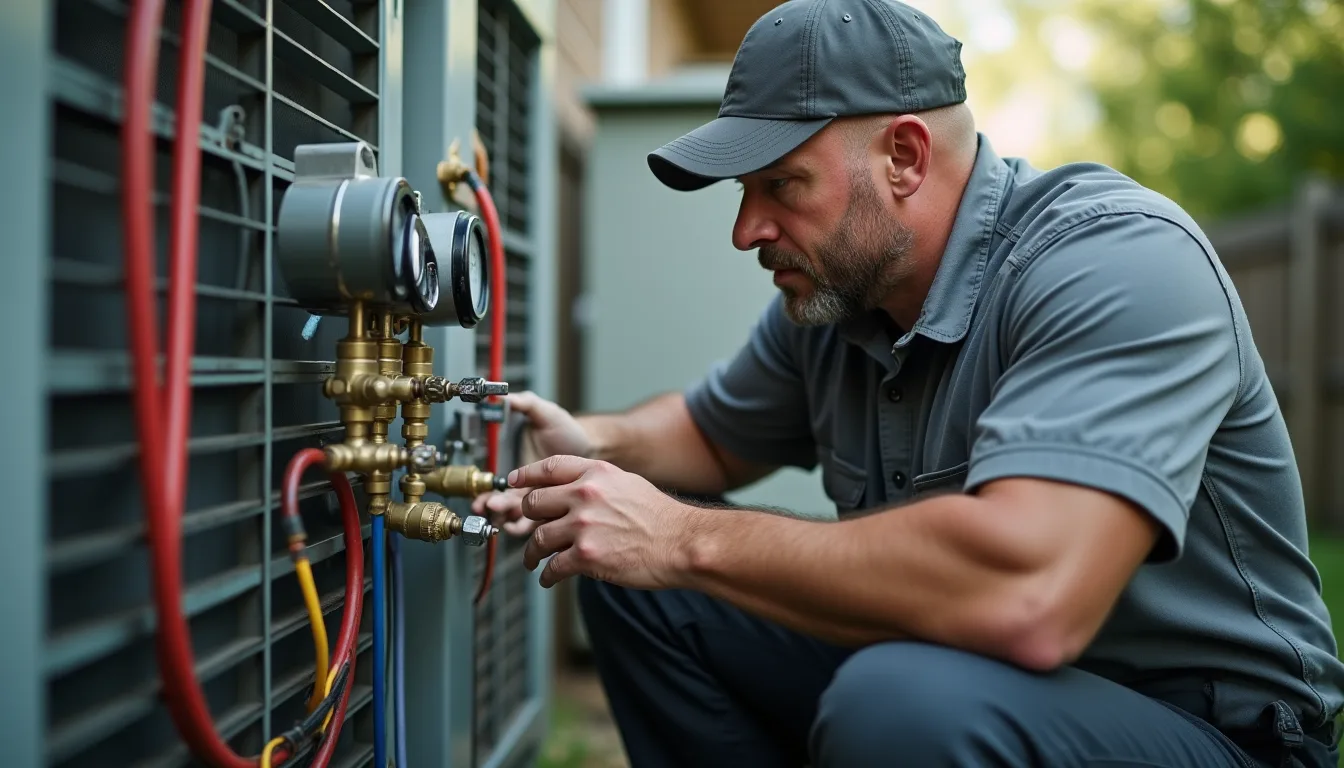
As the vibrant hues of fall descend upon Denver, homeowners are often caught off guard by unexpected HVAC emergencies. Just as you’re cozying up with pumpkin-flavored treats, your heating system may decide to throw a tantrum, leaving you shivering in your own home. The brisk air outside can swiftly turn wintery, and with the unpredictable weather patterns of our beloved Mile High City, a heating failure can be more than inconvenient; it can threaten your comfort and safety.
Why This Matters for Denver Homeowners
Denver's fall season is notorious for its rapid temperature shifts, and this can wreak havoc on your HVAC system. With days of sunshine followed by sudden cold snaps, your home’s heating system is put to the test. Many Denver homes, sitting on expansive clay soils, face unique drainage challenges that can lead to HVAC complications. This dual challenge - geological instability combined with temperature fluctuations - can easily escalate into major HVAC issues that require prompt attention.
Furthermore, fall is the precursor to the heavy snows and hail that Colorado is famous for. Accumulating moisture can lead to leaks, mold, and damage if your HVAC system isn’t functioning correctly. Ignoring these signs can lead to costly repairs down the line. Ensuring your system is ready to handle these weather-related changes isn't just wise; it’s essential.
As we transition deeper into fall, the threat of HVAC emergencies looms larger. Whether it's a simple repair or a total breakdown, understanding when and how to act is crucial.
Expert Solutions & Actionable Tips
1. Schedule Pre-Season Maintenance
Before the chill sets in, have a professional check your HVAC system. In Denver, this typically costs between $75 and $150. Given the sudden temperature drops, this proactive step can help you avoid a crisis when the first frost hits.
A routine inspection can catch issues like faulty thermostats or wear on critical components, allowing for timely repairs. Scheduling this maintenance in late September is ideal, ensuring you’re ready when the season turns frigid.
2. Know Your Thermostat Settings
In the chaos of fall, many forget to adjust their thermostats appropriately. With temperatures fluctuating, keeping your thermostat set too low may result in unnecessary strain on your heating system. An additional $20-on-your-bill mistake can become costly if your system runs inefficiently.
It's wise to program your thermostat to raise the temperature gradually rather than let it dip too low, easing the stress on your HVAC system.
3. Check Your Air Filters Regularly
Changing air filters is often overlooked, but it’s vital in maintaining air flow and system efficiency. In Denver, filters should be changed every one to three months depending on usage and the surrounding environment.
The cost is minimal, usually around $10 to $25 each—much less than paying for major repairs due to airflow restrictions or system strain caused by clogged filters.
4. Understand Your Home’s Insulation Needs
Denver's unique climate means that good insulation can be a game-changer for your HVAC performance. Investing in quality insulation, especially around windows and doors, can minimize energy loss which directly impacts your heating costs—often between $2,000 and $5,000 depending on size and material.
Improving insulation decreases the likelihood of HVAC emergencies by reducing the workload on your system during cold snaps.
5. Take Action on Unusual Noises
If your system starts making strange noises—clattering, banging, or hissing—don’t ignore it. In Denver, this could signify anything from loose parts to significant mechanical failure. Immediate attention may save you $1000 or more in repairs, compared to waiting it out until breakdown.
Contact a technician if you hear unusual sounds, especially as you transition from warmer days into cooler nights.
6. Stay Informed About Local Utility Rebates
Installing energy-efficient systems can earn you a rebate from Xcel Energy or local programs. These financial incentives can reduce the cost of high-efficiency systems by up to $1,000, making it more feasible to upgrade during fall.
Consult with local HVAC professionals who often have insights on current deals that can help you overcome the initial investment for better technology.
Denver Climate & Local Context
Denver is no stranger to extreme weather swings, and its climate plays a significant role in HVAC considerations. The city experiences rapid temperature changes, with crisp autumn days occasionally giving way to early winter storms. Many homes, particularly those built on expansive clay soils, require drainage solutions that can complicate the HVAC landscape.
With heavy snowmelt occurring in spring, homes face their own challenges regarding indoor air quality and system reliability. Local building codes often dictate requirements for proper drainage, making it critical for homeowners to develop an understanding of how their HVAC systems interact with the surrounding environment.
When to Call a Professional
Determining when to DIY and when to seek professional help can be challenging for Denver homeowners. While minor tasks such as filter changes can often be handled on your own, significant repairs should be left to professionals. Attempting to fix serious issues may result in more damage and increased costs.
- System fails to turn on
- Unusual noises or vibrations
- Constant cycling on and off
- Unpleasant odors
- Inconsistent heating across rooms
- Reduced air flow or weak output
These red flags suggest professional intervention is needed and can help prevent minor problems from turning into emergencies that jeopardize your comfort.
Frequently Asked Questions
What should I do if my heater stops working?
First, check your thermostat settings and air filters to rule out easy fixes. If the problem persists, contact FrostFusion Heating and Cooling. A technician can provide a prompt assessment, which is essential during Denver's chilly nights.
How can I prepare my HVAC for winter?
Schedule a maintenance check to ensure everything is in working order. Cleaning air ducts and changing filters also contribute to optimal performance during Denver’s unpredictable winters.
What are common signs my HVAC needs repair?
Unusual noises, inconsistent temperatures, and increased energy bills are key indicators. If you notice any of these, consulting an HVAC professional is wise to avoid further issues.
Is it beneficial to update my HVAC system?
Yes, especially with Colorado's climate. Upgrading to energy-efficient models can not only reduce energy costs but improve overall comfort year-round, plus local rebates can make them more affordable.
How often should I replace my air filters?
In Denver, air filters should be replaced every 1-3 months, depending on usage and environmental factors. This helps maintain optimal airflow and system efficiency.
Get Expert HVAC Service in Denver
Don’t let HVAC emergencies disrupt your comfort this fall. For reliable service and expert care in Denver, reach out to FrostFusion Heating and Cooling. They are here to ensure your system is running smoothly all season long.
Call (719) 220-9150 today and keep your home warm and inviting throughout the chilly months ahead.